

Welcome to our magazine blog!
We are a team of writers, editors, and publishing professionals who are passionate about magazines. We believe that magazines are more than just a collection of articles; they are a reflection of our culture and society.
We started this blog as a way to share our love of magazines with the world. We write about everything from the history of magazines to the latest news and trends. We also offer advice on starting and running a successful magazine.
We hope you enjoy our site!
Barbara Botts
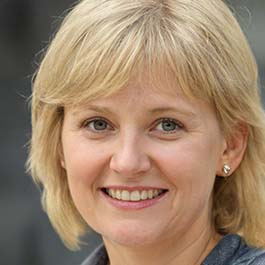
Barbara Botts is a news writer. She has a passion for writing and loves to share stories that matter with the world. Barbara is an advocate for social justice and believes in using her voice to speak up for those who cannot speak for themselves.
Cindy Coleman

Cindy Coleman is a health writer who loves to share her knowledge of living a healthy lifestyle. She has been published in many online and print publications, and she is always looking for new ways to help people improve their health. Cindy is a firm believer in the saying “an ounce of prevention is worth a pound of cure,” and she hopes to help as many people as possible live long, healthy lives.
William Salazar

William Salazar is a finance blogger who loves to write about ways to save money and grow your wealth. He’s a graduate of the University of Texas at Austin, and has been working in the finance industry for over 10 years. When he’s not writing or researching new investment opportunities, William enjoys spending time with his wife and two young children.
Leonel Coburn

Leonel Coburn is a tech blogger who is obsessed with the latest gadgets and trends in the industry. He loves testing out new technology and writing about his findings on his blog. He’s a self-proclaimed geek, and he’s always the first one to try out the latest app or game. Leonel is also an avid traveler, and he loves exploring new cultures and countries.